
Everything you need to know about Angels Landing
Megan Brooks
Updated: Setptember 12, 2026
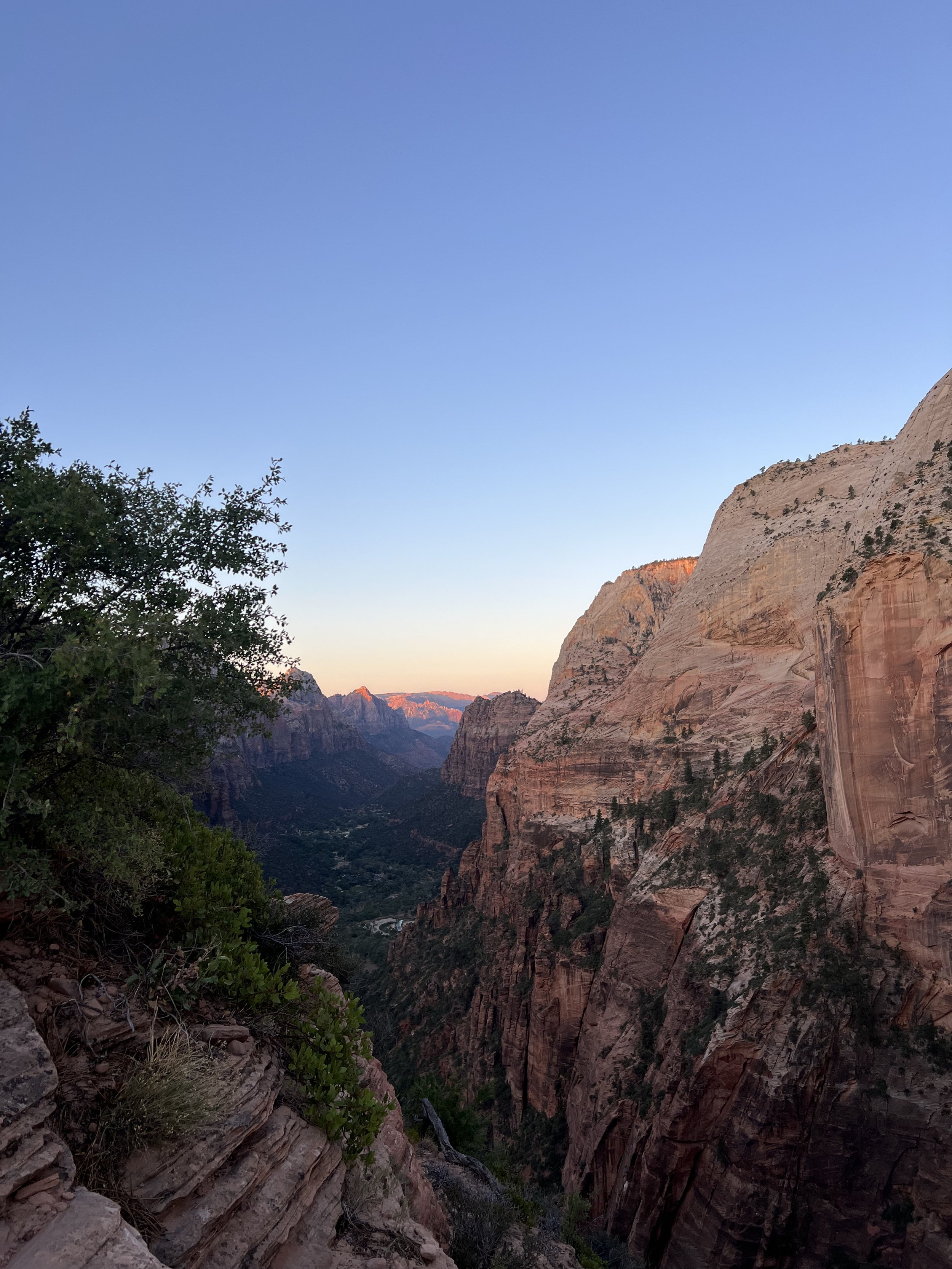
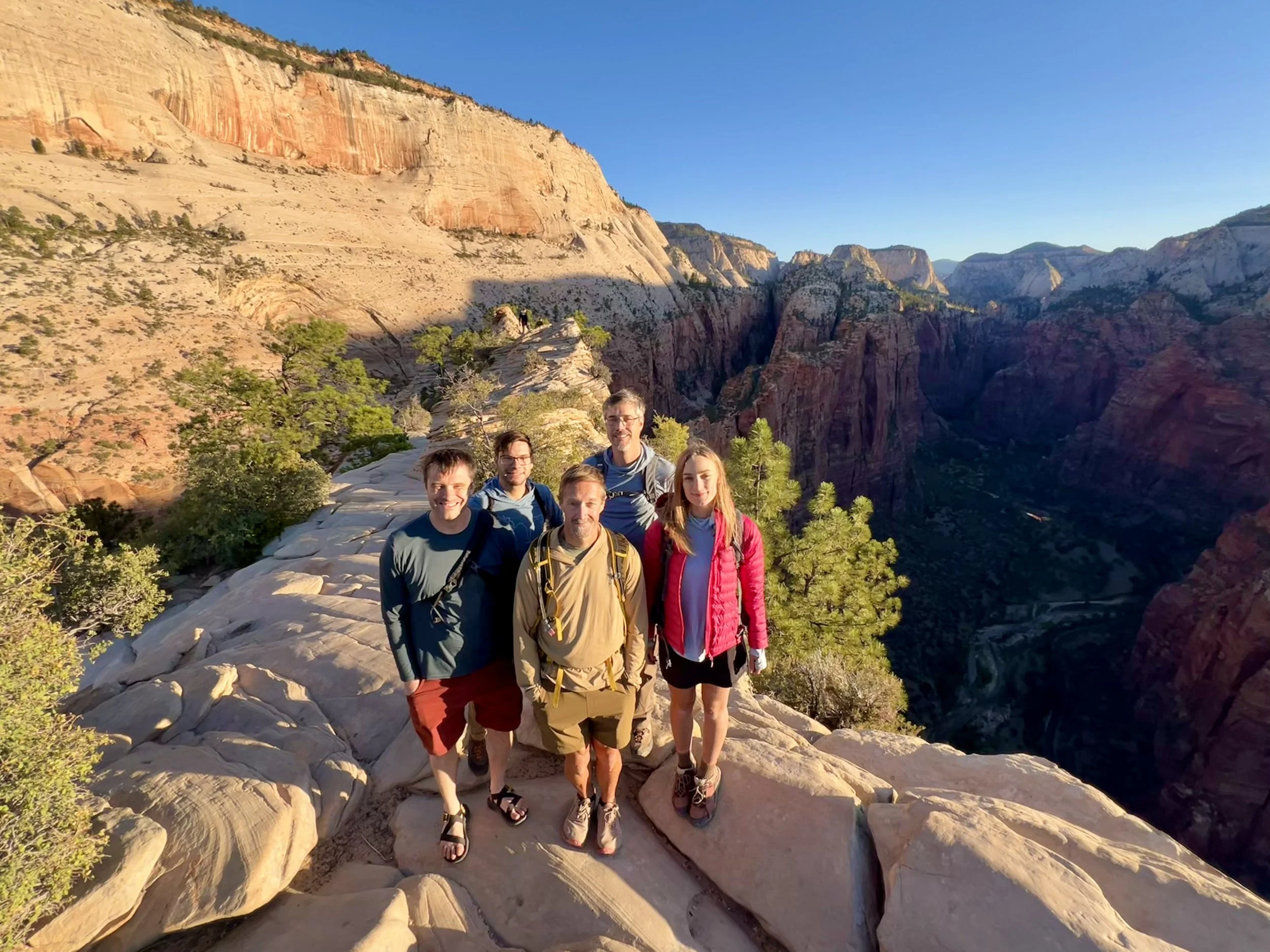
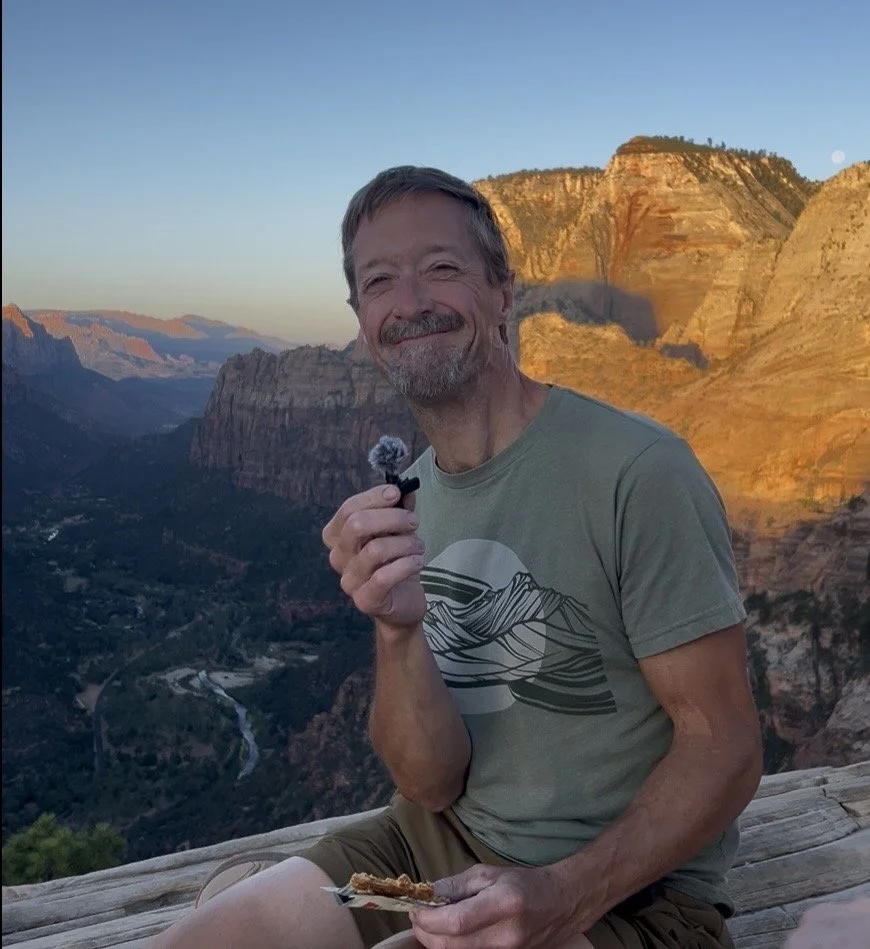
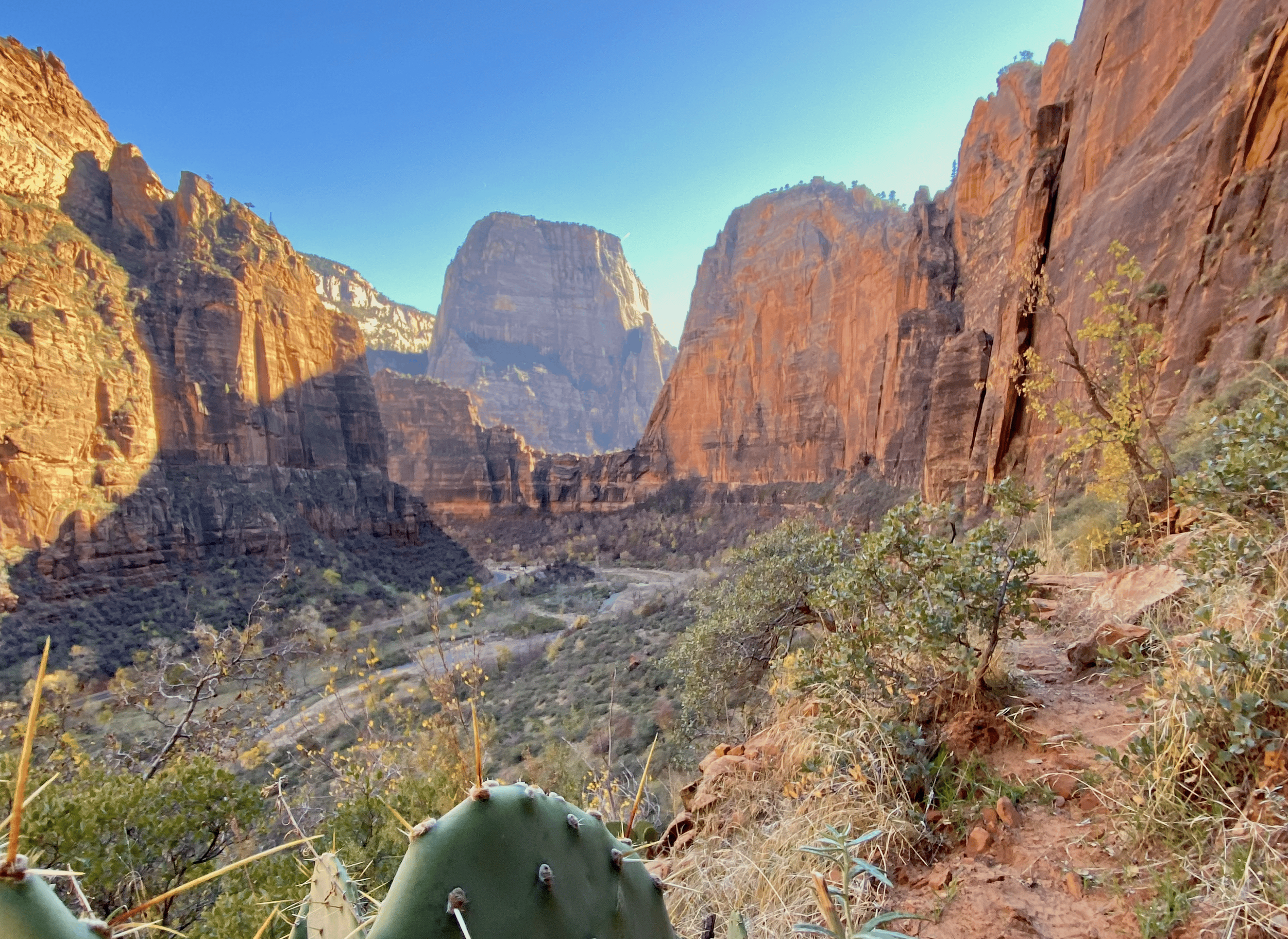
If you’re looking for an adventure in Zion, add Angels Landing to your bucket list.
The adventure starts with a steep but relatively short climb through the canyon. As you gain elevation, the views get better and better until you reach Scout Lookout. For many hikers, this is the destination. With incredible views of Zion Canyon and jaw-dropping views of the dramatic landscape.
But if you have a permit and are ready to keep going, the real adventure begins.
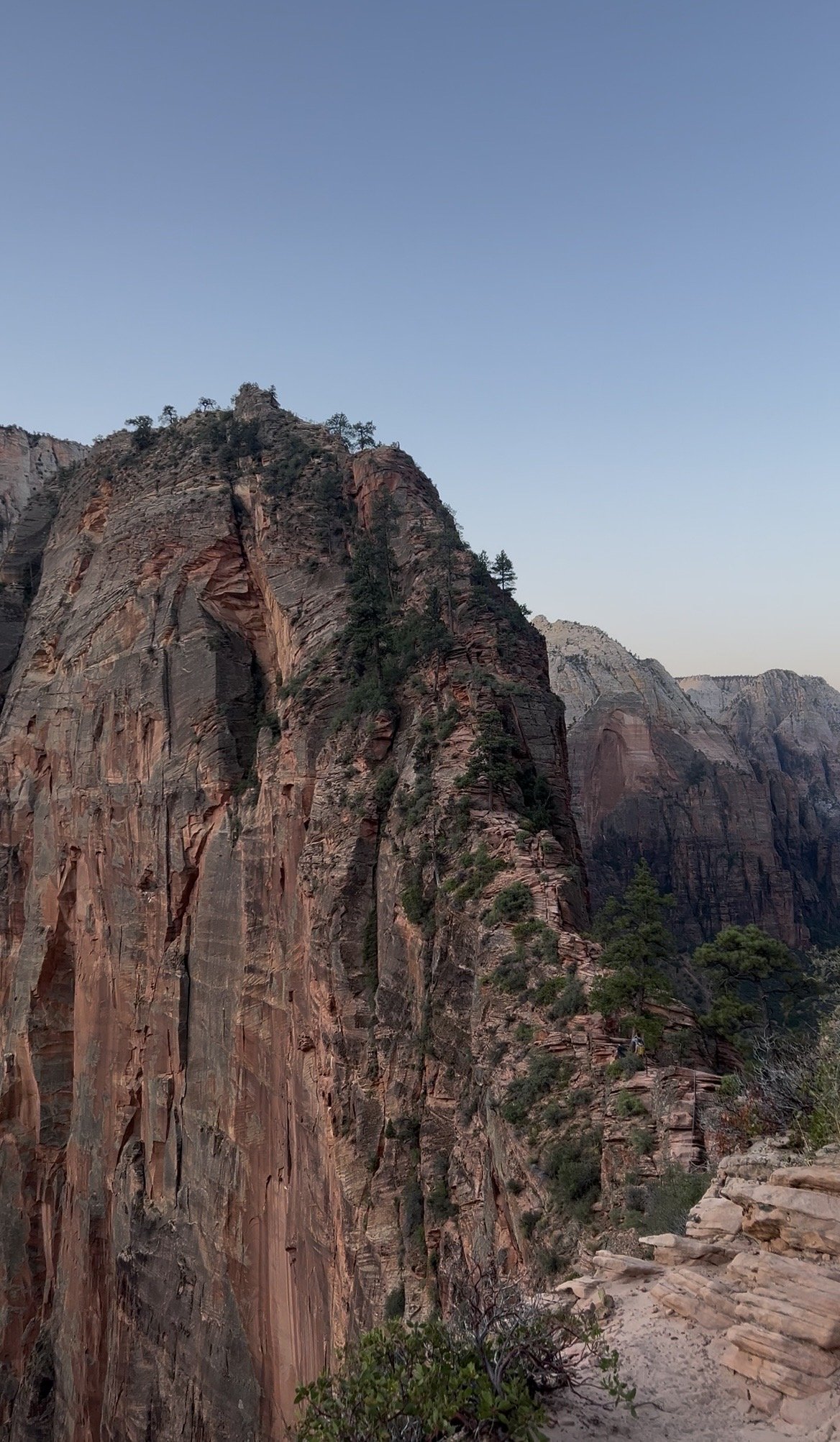
At Scout Lookout, you’ll show your permit to a ranger before continuing onto the famous ridge of Angels Landing. From here, the trail becomes narrow and exposed, with steep drop-offs on both sides. Chains along the route give you something to hold onto as you make your way across the ridge. It’s an exhilarating experience.
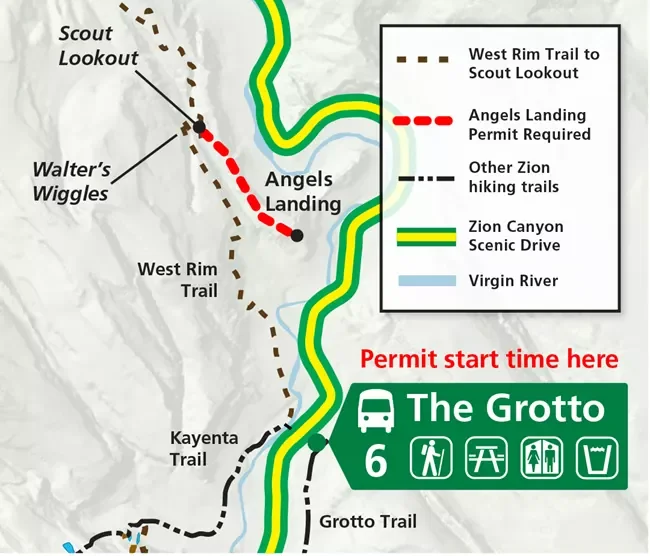
Angels Landing
Distance: 5.4 miles (8.7 km) round-trip
Elevation Gain: 1,488 feet (454 m)
Hiking time: 3-6 hours
Difficulty: Strenuous
Shuttle Stop: The Grotto (#6)
A Trail That Almost Feels Impossible
When you stop to think about it, the mere existence of the Angels Landing trail is pretty phenomenal.
Today, we’re used to seeing established trails, bridges, overlooks, and other infrastructure throughout national parks. But creating a trail like Angels Landing in the early days of Zion National Park was anything but simple.
Building the trail required explosives, hand tools, pack mules carrying concrete, and even helicopters to transport materials into the canyon. Workers had to carve a route into steep sandstone cliffs and somehow turn an incredibly rugged landscape into a trail that people could safely travel.
Construction of the trail was completed in 1926, It’s hard to imagine a project like that being approved today without extensive environmental studies and review. The landscape, technology, and laws surrounding public lands have all changed dramatically since the trail was constructed.
That’s part of what makes Angels Landing so fascinating. You aren’t just hiking to a viewpoint. You’re walking along a piece of Zion’s history.
Angels Landing FAQ
-
Yes. Everybody hiking Angels Landing is required to have a permit.
-
You can acquire a permit on Recreation.gov. The National Park uses a lottery system that changes depending on the season. In general; Angels Landing permits are distributed through two different lotteries:
Seasonal Lottery: Around half of the available permits for a given day are offered through the Seasonal Lottery.
Day-Before Lottery: The remaining permits are available through the Day-Before Lottery. Any permits that become available because of cancellations from the Seasonal Lottery are also added here.
Because of this, you have two opportunities to enter the lottery if you’re planning ahead for your Angels Landing hike.
The permit system is currently a pilot program, and Zion National Park continues to monitor how hikers affect the trail and each other’s experiences. The number of permits issued may be adjusted in the future based on what the park learns from the program.
-
You must print or download your confirmation email from Recreation.gov showing that you received an Angels Landing permit before arriving at the trailhead. This confirmation serves as your permit.
A ranger may check your permit at the Grotto (Shuttle Stop 6), Scout Lookout, or anywhere along the trail. If you cannot provide your permit when asked, you may not be allowed to continue your hike.
-
No. You will need a permit to hike Angels Landing year round. However, you can hike up to Scout’s lookout without the permit.
-
Scout Lookout
Scout Lookout is the final stopping point before the chains section of Angels Landing. While the Angels Landing section is highly exposed with sheer drop-offs, Scout Lookout is much more manageable for hikers who are nervous around heights. The trail to Scout Lookout is almost entirely paved and doesn’t have the extreme drop-offs found along the final stretch to Angels Landing.
That doesn’t mean the hike to Scout Lookout is easy, though. It’s still considered challenging because you’ll gain nearly 1,100 feet of elevation over just 1.5 miles. The famous Walter’s Wiggles switchbacks make the climb feel even steeper as you work your way toward Scout Lookout.
Angels Landing
Angels Landing is the final and most famous section of the hike. From Scout Lookout, the trail becomes significantly more exposed as it follows a steep, narrow ridge toward the summit.
Chains are installed along much of this section to provide handholds and additional support. The Angels Landing section adds approximately 400 feet of elevation gain and requires hikers to navigate steep terrain, narrow sections, and significant exposure.
If you’re uncomfortable with heights, Scout Lookout is a great place to turn around. You’ll still get an incredible view of Zion Canyon without having to tackle the exposed chains section.
-
Angels Landing is considered a strenuous hike due to its steep “Scout lookout” approach and the sheer exposure along the trail. The steep drop-offs and narrow sections near the summit can also make the hike mentally challenging, especially for hikers who are uncomfortable with heights.
-
3-5 hours
-
Angels Landing is known for being one of the most dangerous hikes in the United States. Despite its exposure and steep drop-offs, it can be a relatively safe hike when approached with the right preparation and caution.
As long as you don’t have a major fear of heights, have a solid baseline of physical fitness, and are comfortable navigating steep and exposed terrain, Angels Landing is a manageable hike for many experienced hikers. That said, the exposure is very real, and there are sections where a single mistake could have serious consequences.
Take your time, stay focused, use the chains when appropriate, and give other hikers plenty of space. Most importantly, know your limits. If you’re uncomfortable with the exposure or the conditions don’t feel right, there’s no shame in turning around at Scout Lookout. The view is still incredible, and getting back down safely is always the goal.
-
Early morning and late evening are the best times to hike Angels Landing. The trail is exposed to the sun most of the time. With little to no shade, its best to do the steep hike during the cooler parts of the day.
-
Having a permit doesn’t necessarily mean it’s a good idea to hike Angels Landing. Weather can change quickly in Zion, and some conditions can make the trail much more dangerous.
Rain and thunderstorms are especially important to watch for. The trail can become slippery when wet, and the exposed sections near the chains are not a place you want to be during a storm. Before you head out, check the forecast and try to plan your hike around any bad weather. Thunderstorms can happen at any time, but they are more common in the afternoon.
And if you’re already on the trail and notice storm clouds moving in, take it seriously. Stop climbing and, if possible, turn around and begin making your way back down.
Having a permit doesn’t mean you have to use it. If the weather looks unsafe, it’s always better to save Angels Landing for another day.
-
You can find the beginning of Angels Landing at the Grotto (Shuttle Stop 6) This trail head is inside the National park and during most of the year, only accessible by the free park shuttle and e-bikes.
-
As you make your way up Angels Landing, you’ll likely see some of Zion’s local residents along the trail. Squirrels, ravens, chipmunks, and other animals are common, but remember that they are wild animals. Give them plenty of space, and never feed them or let them get into your food.
It’s also a good idea to keep an eye on your backpack. Don’t leave it unattended, even if you’re just stepping away for a few minutes to rest or take a nap. Animals can quickly become interested in unattended food.
And if you’re lucky, you might even spot one of Zion’s most incredible residents: the California condor. These are the largest birds in North America and are critically endangered. If you see one near Angels Landing, enjoy the view from a distance. Never approach or feed a condor, and give these incredible birds plenty of space.
Visitors often see park signs asking hikers to remain quiet through Refrigerator Canyon because loud noises disturb and stress nesting owls, which can cause them to abandon their habitats. Speak in low voices or stay silent while passing through. The canyon sits roughly 1.2 miles up the West Rim Trail from The Grotto trailhead, just before you reach Walter's Wiggles and Scout Lookout.
